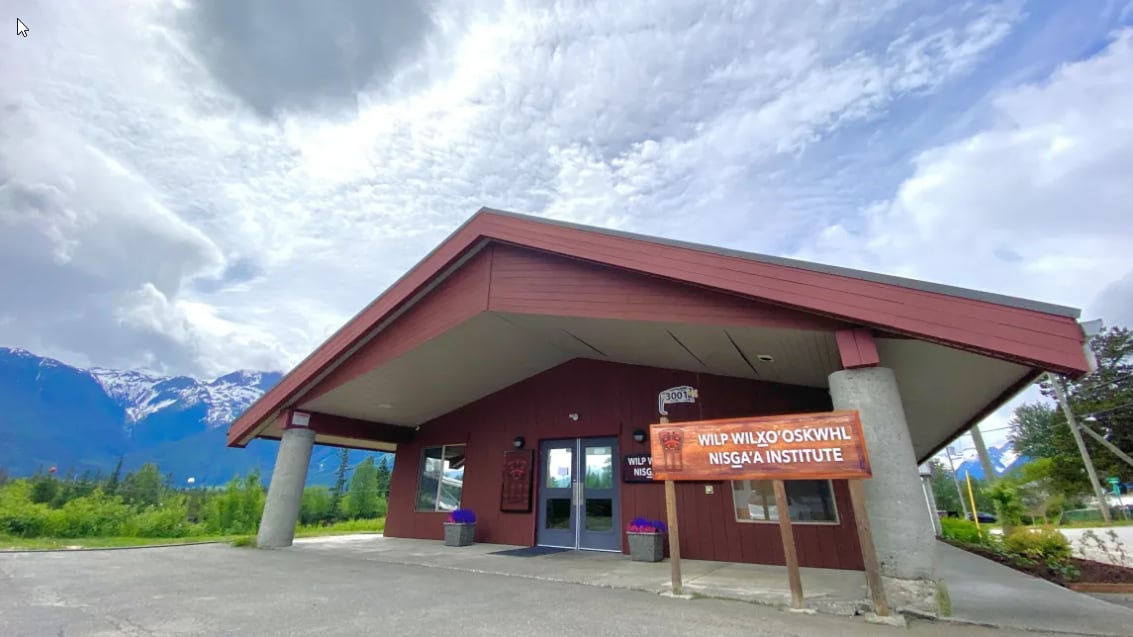
The The Wilp Wilx̱o’oskwhl Nisg̱a’a Institute and the University of Northern BC have partnered to deliver an elementary education program in the Nass Valley that will start later this year.
This UNBC bachelor’s of education, Nisga’a cohort program responds to ongoing teacher shortages in Northern and rural communities and particularly addresses the need for more Indigenous teachers.
The program will support a cohort of 10 to 15 local teacher candidates to complete their degrees close to home and strengthen long-term capacity in regional schools.
“WWNI is so excited to welcome students into our first WWNI-UNBC Bachelor of Education program this Fall”, says Dr. Deanna Nyce, WWNI President and Chief Executive Officer. “We look forward to their success, academic practice, and the amazing talent they will bring to their future students and the teaching profession! Thank you to all those who assisted us with the program coordination and support.”
The 20-month program will run from September 2026 to April 2028 and will be delivered primarily in person at the WWNI campus in Gitwinksihlkw, with some theory courses offered online.
Practicum placements will occur within the Nass Valley and surrounding region, in partnership with the school district. Graduates will receive a UNBC Bachelor of Education degree and be recommended to the B.C. Teacher Regulation Branch for certification.
“The Bachelor of Education program will provide the certification that complements my many years of experience in the education system and prepares me to teach within my Nation, strengthening cultural identity and supporting future leaders”, says WWNI Student Dionne Morven.
“Teaching BC curriculum content while integrating Nisga’a language and culture involves aligning provincial learning standards with culturally grounded knowledge and practices to create meaningful, culturally relevant learning experiences.”
The program will provide additional qualified teachers to support learning at the four elementary schools in the district and at other schools in the region.