The president of the Tahltan Central Government said British Columbia shouldn’t change its Declaration on the Rights of Indigenous Peoples Act, just as the First Nation and the provincial government celebrate a landmark agreement based on the legislation.
Kerry Carlick said it is not a “good idea to take anything away from DRIPA,” adding that “if anything, it should be strengthened.”
Carlick was speaking at an event on Tuesday in Vancouver with deputy premier Niki Sharma where they co-signed an agreement to share mineral tax revenue from the Eskay Creek mine.
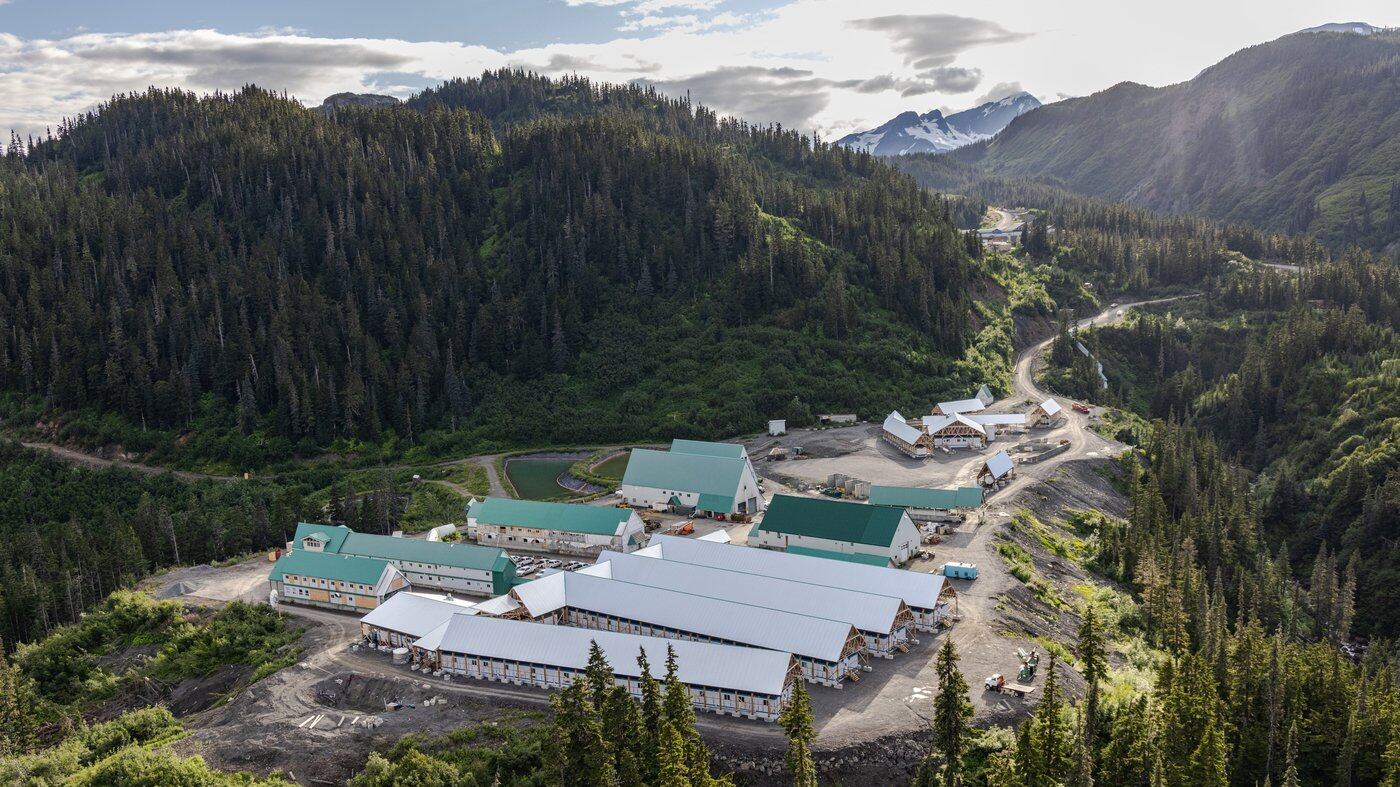
The ceremony in Vancouver came after the provincial government on Monday issued an environmental assessment certificate to Eskay Creek Mining Ltd. to restart gold and silver mining at the site in northwestern B.C. after a first-of-its kind collaborative assessment process with the First Nation under DRIPA.
The provincial government has said it plans to revise the act after a series of court rulings around Aboriginal title, and Sharma said the proposed amendments will respond specifically to those decisions.
Sharma said the amendments “won’t be about stepping back” from the legislation, but about “unlocking the potential of DRIPA without leading us back to the courts.”
She said the process leading to the agreement shows that respecting First Nation self government “leads to clarity, shared prosperity and a better future for all”
Both Sharma and Carlick also praised the agreement itself.
“This is truly a remarkable day for the province and the Tahltan people,” Sharma said. “As we face these new global challenges, we know that there is no place better positioned to succeed than British Columbia.”
Sharma said British Columbia’s geography allows it to reach new and growing markets.
“With our bounty of natural resources, we have what the world needs and wants, and we will deliver through sustainable practices and in full collaboration with First Nations partners.”
A statement from the provincial government said that the mine will create about 1,000 construction jobs and more than 770 jobs once operational. It says that the mine represents $713 million in capital investment, and the mine is expected to generate $1.19 billion in provincial revenues.
Carlick said the agreement’s first-of-its kind process represents a “major shift” because it “reflects the growing understanding that reconciliation is not just words but action.”
She said it shows what can happen when governments work together.
“It is recognizing Tahltan jurisdiction, Tahltan knowledge and Tahltan decision-making as an essential part to the future of this land. This achievement did not happen overnight. It is the result of years of hard work, difficult conversations, persistence and unity.”
Michael Goehring, president and chief executive of the Mining Association of British Columbia, said in a statement that the project shows momentum in B.C. mining.
“Now is the time to build on that momentum and double down to get more mines built and realize one of the biggest employment and economic opportunities British Columbians will see in a lifetime,” Goehring said.
The Conservative Party of B.C., meanwhile, said in a statement that the party “strongly supports” projects like the Eskay Creek mine, but interim leader Trevor Halford questioned the province’s argument regarding DRIPA.
“While the premier talks about amending the law, he is also taking a victory lap, claiming it works,” Halford said. “That’s politics, not certainty for workers, communities or investors.”
He added that only the full repeal of DRIPA will “create certainty and clarity” across all sectors in B.C.
This report by Wolfgang Depner, The Canadian Press was first published Jan. 27, 2026.