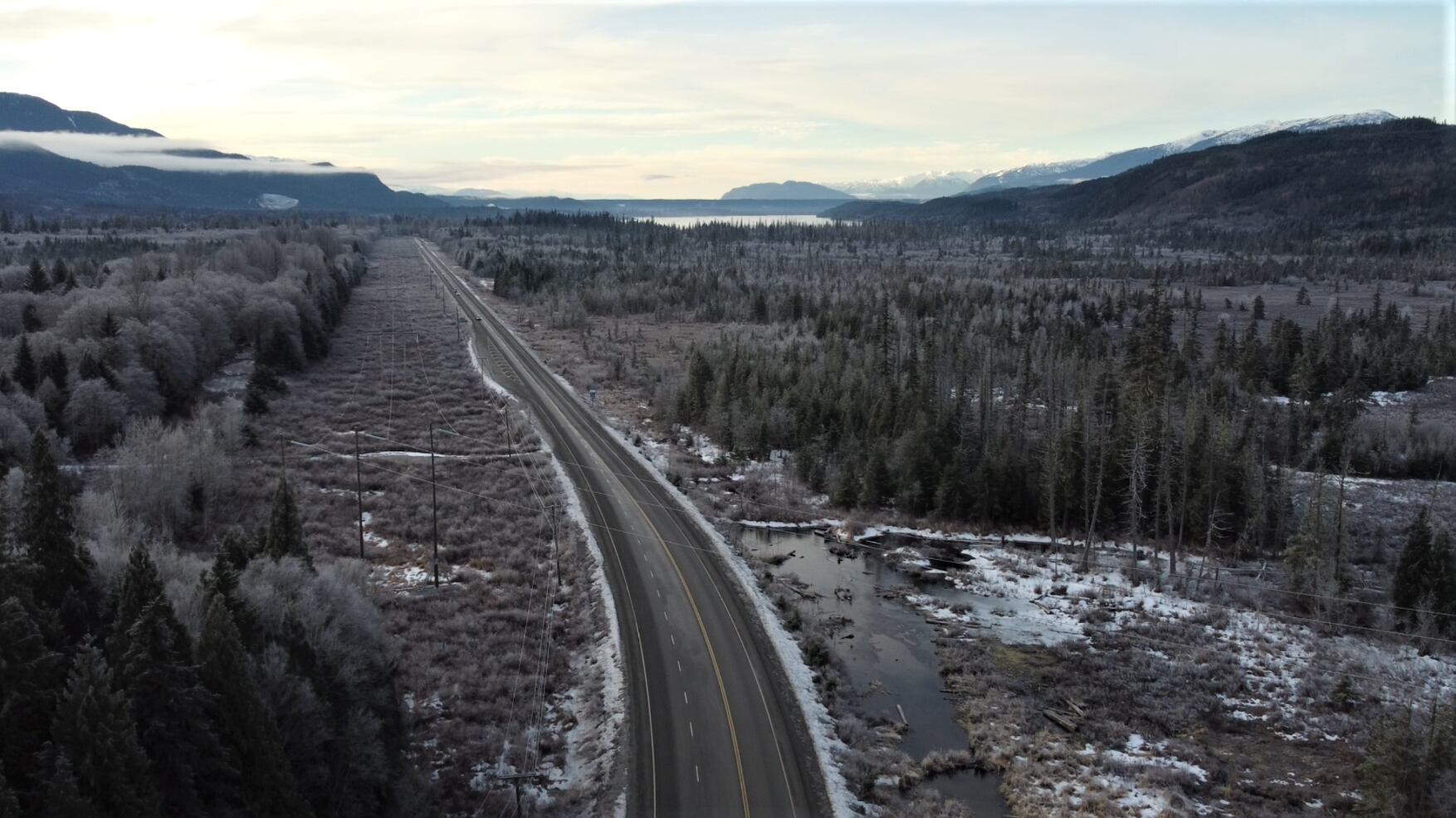
Conditions are bright and clear today, but it’s been a tough winter for highways in the north, including Highway 37, running between Terrace and Kitimat.
Storms in December brought over 45 cm of snow over a 12-hour period and an extreme snowfall intensity of up to 6 cm an hour at times.
Freezing rain and overnight snowfall continued for days following each intense storm system.
And as conditions worsened, says Skeena MLA Claire Rattée, so did the number of cars in ditches.
Rattée recently reached out to the Ministry after receiving what she said was daily complaints from about driving conditions between Kitimat and Terrace.
“I think that probably, part of the issue is simply that we haven’t had the snowfall that we have become accustomed to in previous years. These past few years, we haven’t had it. And now obviously we’ve had a lot of snow this year, and I think it’s made it a lot more obvious for people. You know, we’ve also had a number of fatalities due to poor conditions on the road that have been really tragic for our communities.
And I think that people’s concern is that they don’t want to see that again and that, you know, I share that concern. And that’s where I’m hoping that the minister will take this seriously."
The Ministry responded to CFTK-TV news saying that Highway 37 between Terrace and Kitimat receives the highest classification of winter maintenance in the province. This classification defines the standards for the removal of winter accumulations and traction control. More information can be found here: https://www2.gov.bc.ca/gov/content/transportation/transportation-infrastructure/contracting-to-transportation/highway-bridge-maintenance/highway-maintenance
They said Ministry maintenance contractors employ several approaches to evaluate highway surface temperatures and conditions, including safety patrols, monitoring systems, weather forecast services and technologies like data from a road weather information system.
The Ministry also said in their response, that in recent years, they’ve implemented improved standards, including requirements to be more proactive in preparing for bad weather and more responsive in clearing snow.
They also recognized that the weather systems we experienced were significant, and that was the reason for the posted travel advisories at the time.
Rattée also commented on the Usk ferry. At the end of December, the ferry was rendered inoperable after getting stuck in an ice jam. She says that at the end of the day, she believes this is something that they should be able to predict with more certainty.
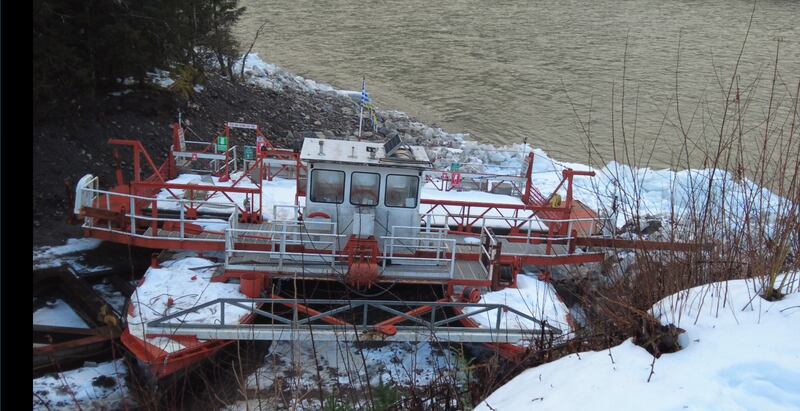
“This is not a new piece of equipment to be able to determine when it should be removed from the water. And so this was fairly reactionary in the sense that then it took up a bunch of the Ministry and the contractors’ time to be able to remove it, during what was a very heavy snowfall, which then, you are kind of stuck between where you’re focused on.
I think that this was a preventable issue. And that’s where my frustration is, is again, it’s just it’s something that was preventable. Should have been, should have been looked at a little bit more seriously. So I will be raising that with the ministry to make sure that that’s something that doesn’t happen again.”
Rattée also pointed out that although the Usk ferry is typically out of service at this point due to river levels being low, the cable car that is in use is not wheelchair accessible. She says that’s a problem for a lot of the residents of Usk.
“Many of them are aging significantly and, and they need something that’s accessible. But, you know, it’s, I think that it’s one of those things where I’m just really looking to get that on the Ministry’s radar, as another piece of infrastructure that needs to be updated, that needs to be looked at.”
The contractor has said their goal is to have everything resolved and the ferry back up and running in time for the spring.