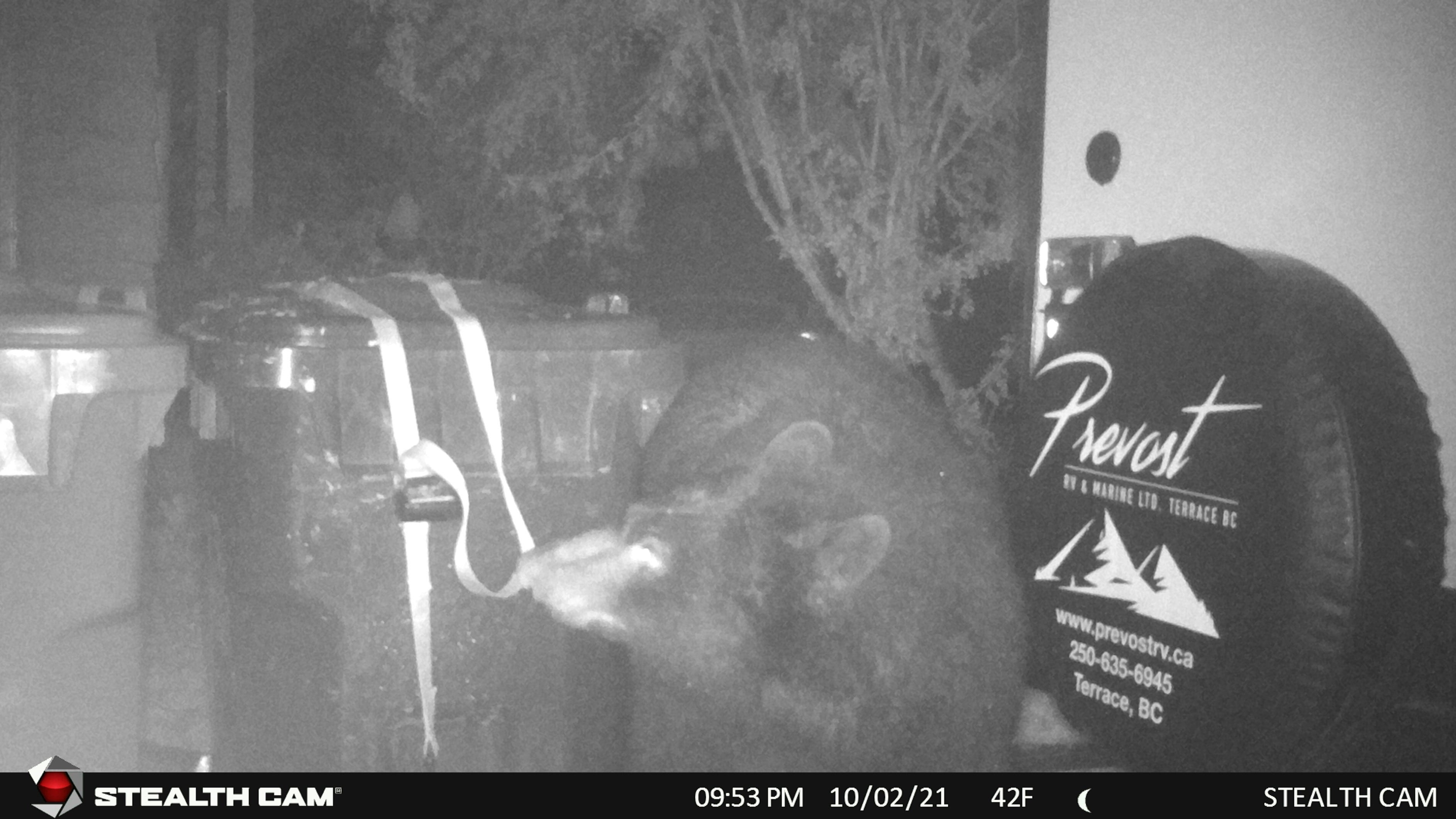
As spring is upon us and hibernators are waking up, it’s important to keep the best practices in mind when it comes to bear-aware behaviors. North Coast Conservation Officer Katelyn Williams says being alert when outdoors is important.
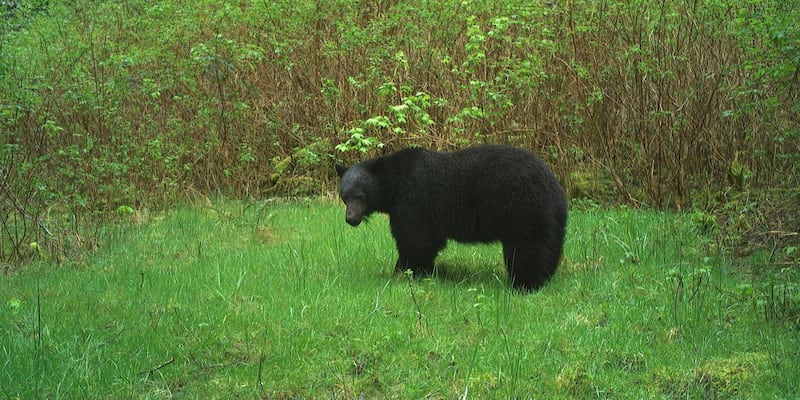
“Make lots of noise as you’re walking around. Being aware of your surroundings. Try not to walk with headphones in if you’re by yourself. You just can’t hear anything, in a sense. Carry bear spray.”
Williams says if you happen to encounter a bear- stand your ground.
“Back up slowly. Don’t turn your back on the bear. Make sure that you’re making it known. You’re yelling at it. And then once you can get to a safe place, just keep backing up slowly until you can get somewhere where you’ve got a bit of an escape route, or that bear has an escape route, even. Like, if you’ve got two trails that divide, you can kind of get back enough in a sense that, that bear would be able to go down one of the routes if it wanted to. Stay together as a group, don’t make any sort of sudden movements, just kind of keep calm. Talk to the bear as you’re backing up.”
Williams says that it’s important to not turn your back on the bear.
“You really just want to keep eyes on that bear because you don’t know what that bear is going to do. That bear might just turn around and go back the other way. It might keep, you know, just walking towards you until it has an escape route. So the biggest thing is just keeping facing that bear, keeping that contact with the bear and ensuring that, as you’re backing away, you’re talking to it and making noise and trying to deter it from you.”
Although bear spray can be a useful deterrent, Williams says it must be administered mindfully.
“If there’s a wind, you want to make sure that it’s not going to come back at you, because that wind will obviously push that bear spray back into your face. But basically, the moment you feel that that bear is, you know, the behavior isn’t changing and it’s not… It’s kind of just still walking towards you. The moment you kind of see, you know, maybe it’s put its head down or it’s like, hitting its paws on the ground or anything like that. You could spray the bear. But it does have to be kind of close. Fairly close, for that spray to have a full effect on it. But even if it’s just a little bit even hits the bear, it’ll help deter that bear and change that behavior.”
Williams says another important aspect is making sure that any attractants are secured.
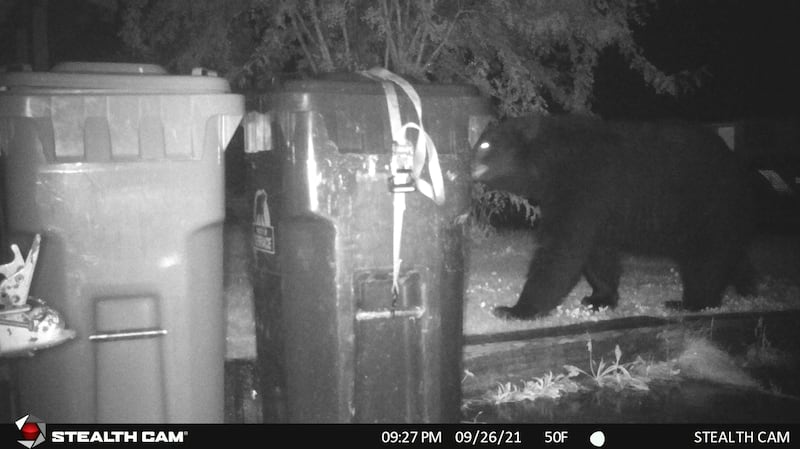
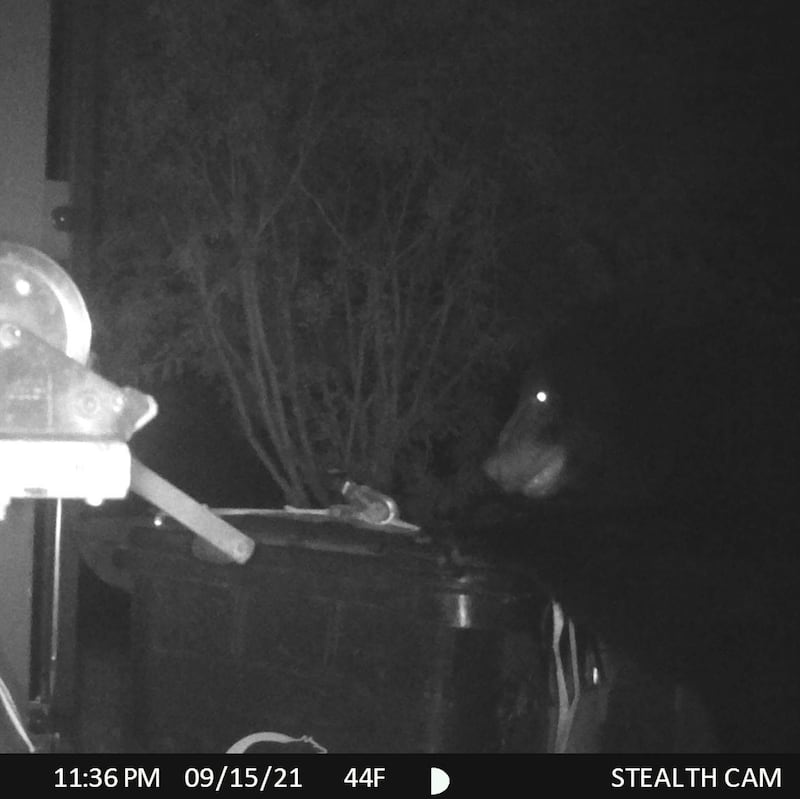
“Spring’s come upon us. And with the bears starting to wake up. Making sure that, you know, your garbages are secure, your pet food and birdseed is secured. Bears will try to get some easy calories right now as they just woke up, so making sure they don’t have that opportunity to get those easy calories is good. That’ll also help keep them out of our community.”
Conservation recommends that if residents are going to put out bird seed, to bring it in at night. Bird seed is of high caloric value for bears and could cause bears to linger in the community. The same goes for dog and cat food that might be served outdoors – bring the dishes in at night and clean up any morsels.
For fruit trees, Williams says it’s important to make sure that the fruit is picked when it’s ripe, and then that anything on the ground is also picked up as well.
In terms of garbage bins, it is recommended to keep bins inside or in sheds, or simply keep the lids secured tightly closed. Bears are more active at night, so it’s better to put that garbage out the morning of garbage day.
The www.wildsafe.org website is recommended for more tips and information regarding bears and other wildlife. And for any wildlife encounters, they can be reported to conservation’s RAPP line (Report all Poachers and Polluters) #1-877-952-7277.